
How Much Can Solar Panels Actually Save You?
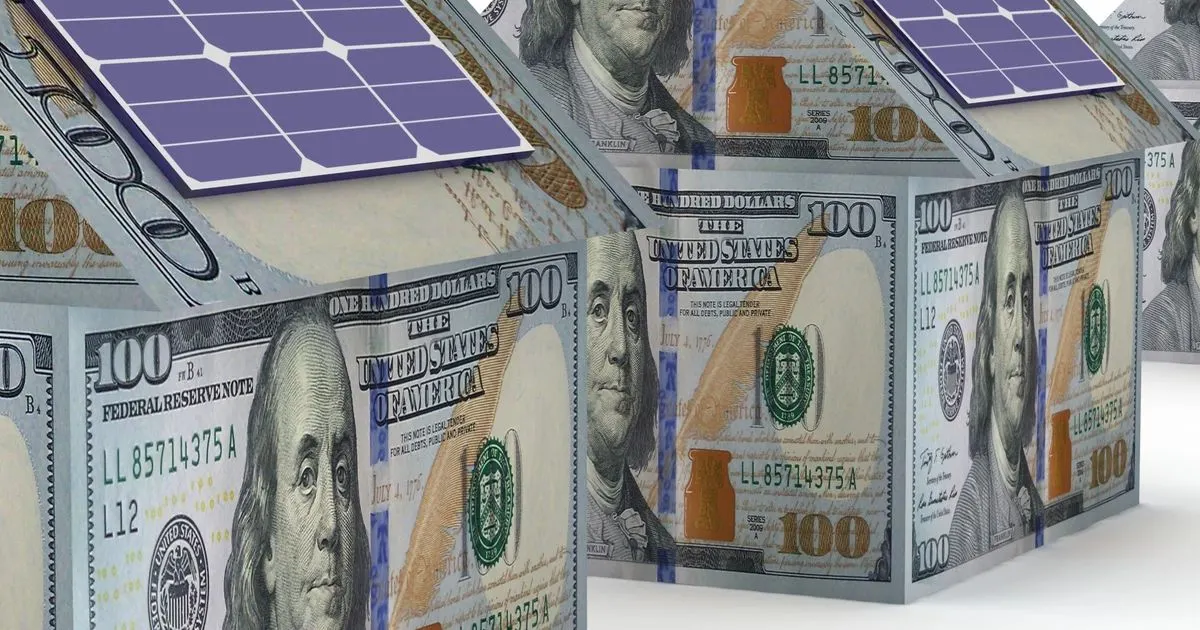
The most common question homeowners ask before going solar is simple: "Will I actually save money?" The answer is almost always yes — but how much depends on factors most solar salespeople gloss over.
Here's the honest breakdown.
The Average Solar Savings Picture
Across the US, homeowners with solar panels save between $900 and $2,400 per year on electricity bills. The wide range reflects real differences in electricity rates, sun exposure, system size, and local incentives.
The national average lands around $1,400/year — but that number is almost meaningless on its own. A homeowner in San Diego paying 38¢/kWh will save dramatically more than someone in Louisiana paying 11¢/kWh with the same system.
The single biggest driver of your savings is your current electricity rate. High-rate states like California, Hawaii, Connecticut, and Massachusetts consistently produce the best solar economics.
What Determines Your Actual Savings
1. Your Current Electricity Bill
The higher your bill, the more solar can save you. A household spending $250/month on electricity has far more to gain than one spending $80/month. Before getting quotes, pull your last 12 months of utility bills and calculate your average monthly usage in kilowatt-hours (kWh).
2. Your Local Electricity Rate
Rates vary from about 10¢/kWh in Louisiana to over 40¢/kWh in parts of California and Hawaii. Every kWh your solar system produces is worth your local retail rate in avoided costs — so high-rate states produce dramatically better returns.
3. Sun Hours in Your Area
A 10 kW system in Phoenix (6.5 peak sun hours/day) produces about 40% more electricity annually than the same system in Seattle (3.5 peak sun hours/day). Your installer should provide production estimates based on your specific location and roof orientation.
4. System Size vs. Your Usage
A properly sized system should offset 80–100% of your annual electricity consumption. Oversizing wastes money; undersizing leaves savings on the table. Get quotes that include a production estimate matched to your actual usage history.
5. Net Metering Policy
Net metering determines what you're paid for excess solar electricity you send back to the grid. Under favorable net metering (like NEM 2.0 in California), you receive near-retail credit. Under newer policies like NEM 3.0, export rates are much lower — making battery storage more valuable.
The Payback Period: What's Realistic
The payback period is how long it takes for your cumulative savings to equal your upfront investment.
Payback varies widely by state. It's shortest in high-rate states like Hawaii and California and longest in low-rate states where each kWh you produce is worth less. With a system lifespan of 25–30 years, most homeowners still get many years of low-cost electricity after break-even.
State and Utility Incentives Still Matter
Many states and utilities offer programs that lower your cost or boost your return: state tax credits (like New York's 25% credit), property tax exemptions, sales tax exemptions, utility rebates, and SREC programs that pay you for the energy you produce.
These vary a lot by location, so check your state's guide and ask installers which programs you qualify for before you sign.
What Solar Won't Save You From
Be skeptical of projections that assume:
- Electricity rates rising 3–5% annually forever. Rates do tend to rise, but projections that compound this over 25 years produce inflated lifetime savings numbers.
- 100% offset from day one. Your usage changes. Kids leave home, you buy an EV, you add a hot tub. Size your system for current usage, not speculative future usage.
- No maintenance costs. Solar panels are low-maintenance, but inverters typically need replacement after 10–15 years ($1,000–$3,000). Factor this into your lifetime savings calculation.
How to Get an Accurate Savings Estimate
The most reliable way to estimate your savings is to:
- Pull 12 months of utility bills — get your actual kWh usage, not just dollar amounts
- Get at least 3 quotes — each should include a production estimate in kWh/year
- Ask for a 25-year cash flow model — a reputable installer will provide this
- Verify the production estimate — cross-check with NREL's PVWatts calculator (free, online)
- Confirm net metering terms — ask your utility what rate you'll receive for exported power
The Bottom Line
Solar savings are real, but the range is wide. The best candidates for solar are homeowners with high electricity bills, good sun exposure, and a roof in good condition — ideally with 10+ years of life remaining.
If you're in a high-rate state like California, Hawaii, or Connecticut, the economics are compelling even under newer net metering rules. If you're in a low-rate state, the math is tighter and battery storage may not pencil out.
The only way to know your specific numbers is to get quotes from vetted local installers who will analyze your actual usage and roof.