
Complete Roofing Guide 2026
Replacement, repair, insurance claims, and storm damage — everything you need to protect your home and your wallet.
$9,500
Average replacement cost
20–50 yrs
Lifespan by material
1–3 days
Typical install time
The right answer depends on your roof's age, damage extent, and long-term plans. Here's a clear framework.
Each material has a different cost, lifespan, and performance profile. Here's how they stack up.
Costs vary by home size, material, and region. Here's what most homeowners pay.
| Home Size | Roof Squares | Asphalt | Metal | Tile |
|---|---|---|---|---|
| Small (under 1,500 sq ft) | 10–15 squares | $4,500–$7,500 | $9,000–$16,000 | $14,000–$22,000 |
| Medium (1,500–2,500 sq ft) | 16–25 squares | $7,500–$13,000 | $16,000–$28,000 | $22,000–$38,000 |
| Large (over 2,500 sq ft) | 26–40 squares | $13,000–$20,000 | $28,000–$50,000 | $38,000–$65,000 |
One 'square' = 100 sq ft of roof surface. Roof pitch, number of layers to remove, and local labor rates all affect final cost. Get at least 3 quotes.
From first call to final inspection — here's what to expect.
A contractor inspects your roof, checks the decking and flashing, and provides a written estimate. A thorough inspection includes the attic to check for moisture damage and ventilation issues.
Once you sign, the contractor orders materials. Shingles and underlayment are typically delivered 1–3 days before the job starts. Specialty materials like tile or slate may take longer.
Most jurisdictions require a roofing permit. Your contractor should pull this — not you. Permits ensure the work is inspected and protects your homeowner's insurance coverage.
Crew removes existing shingles and inspects the decking. Damaged or rotted decking boards are replaced at this stage. Most residential tear-offs take half a day to one full day.
Underlayment, ice-and-water shield, and new shingles are installed. Flashing around chimneys, vents, and valleys is replaced. Most homes are fully shingled in 1–2 days.
Crew performs a magnetic sweep for nails, hauls away all debris, and does a final walkthrough with you. Your contractor should provide a written warranty and permit closeout.

Storm damage is often covered. Here's how to navigate the claims process without leaving money on the table.
⚠️ Never let a contractor waive your deductible — it's insurance fraud and can void your policy. Legitimate contractors work within your claim, not around it.
After any major storm, inspect these areas before calling your insurer.
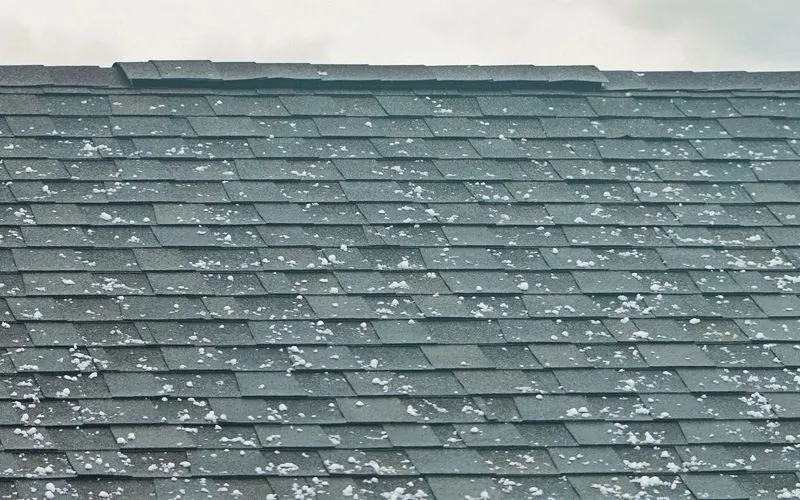
Illustrative examples of how typical roofing projects and insurance claims can play out — not customer testimonials. Costs vary by home and policy.
The contractor you choose is as important as the materials. Here's what separates the pros from the problems.
Verify a valid state contractor's license and certificates of general liability and workers' comp insurance. Out-of-state storm chasers often disappear after the job — choose someone with a local address and track record.
Top shingle brands (GAF, Owens Corning, CertainTeed) certify select contractors who meet installation standards. Certified contractors can offer extended warranties (up to 50 years) that non-certified installers cannot.
A professional estimate lists materials by brand and grade, labor, tear-off, disposal, permit fees, and warranty terms. Avoid any contractor who quotes verbally or refuses to itemize.
Ask for 3 local references from jobs completed in the last 12 months. Check Google, BBB, and Angi reviews. Look for consistent mentions of cleanup, communication, and standing behind their work.
Legitimate contractors don't knock on doors immediately after storms offering 'free inspections' with same-day pressure. Storm chasers often use inferior materials and disappear when warranty issues arise.
A standard payment structure is 10–30% upfront for materials, with the balance due on completion. Never pay more than 50% upfront, and never pay in full before the job is done and inspected.
Request free, no-obligation quotes from licensed roofing contractors in your area.
Your trusted guide to solar savings and roofing solutions. We connect homeowners with licensed contractors nationwide.
© 2026 HomeValue Compass. All rights reserved. homevaluecompassguide.com
Disclaimer: HomeValue Compass is a free quote-matching service. We connect homeowners with licensed contractors but do not perform installation or repair services directly. Savings estimates are illustrative and vary by location, system size, and utility rates.