
NEM 3.0 and Battery Storage: What California Homeowners Need to Know
If you've been researching solar in California, you've almost certainly encountered the term NEM 3.0 — and probably some alarming headlines about it. The reality is more nuanced than the headlines suggest.
Here's what actually changed, why battery storage matters more than ever, and how to evaluate whether solar still makes sense for you.
What Is NEM 3.0?
Net Energy Metering (NEM) is the policy that governs how California utilities compensate solar homeowners for excess electricity they send back to the grid.
Under NEM 2.0 (the previous policy), you received credit for exported solar power at near-retail rates — roughly 25–35¢/kWh depending on your utility and time of day. This made it economically rational to install a larger system and export excess power freely.
NEM 3.0, which took effect for new installations on April 15, 2023, dramatically reduced export compensation to avoided-cost rates — roughly 4–8¢/kWh depending on the time of day. That's a reduction of 70–80% in the value of exported power.
Why This Matters
Under NEM 2.0, a homeowner who exported 5,000 kWh/year received roughly $1,250–$1,750 in annual credits. Under NEM 3.0, the same export earns only $200–$400.
This doesn't mean solar is no longer worth it — it means the economics have shifted. The value of solar now comes primarily from self-consumption (using the power you generate directly) rather than export.
And that's where battery storage changes everything.
How Battery Storage Restores the Economics
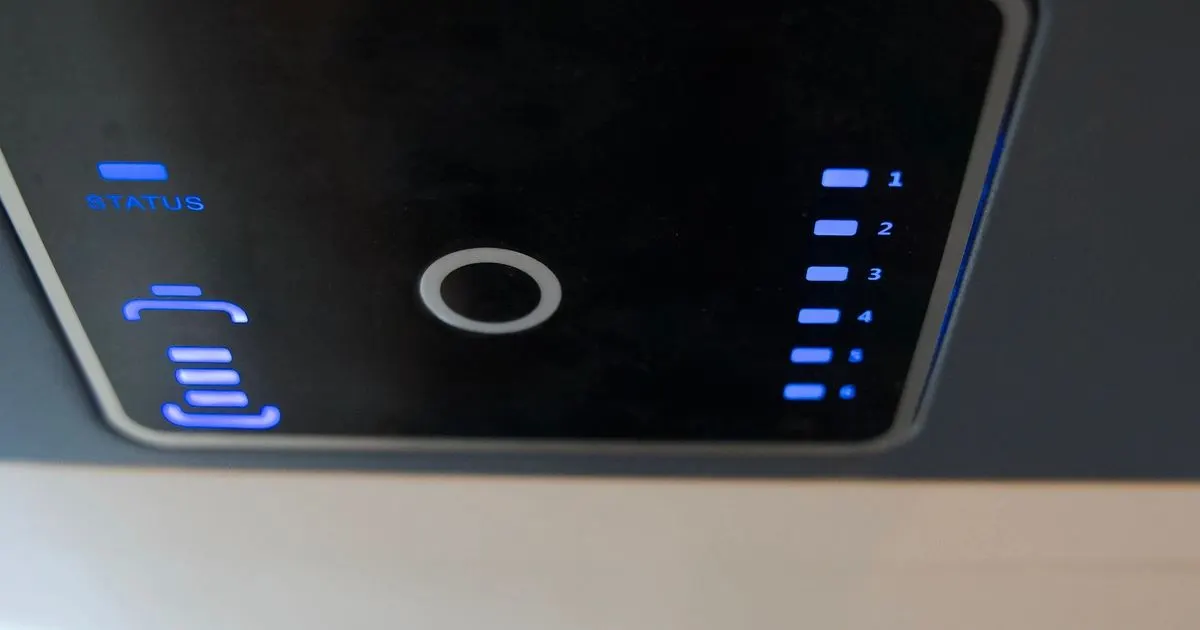
A home battery system (like the Tesla Powerwall, Enphase IQ Battery, or SunPower SunVault) stores excess solar production during the day and releases it during peak evening hours — when grid electricity is most expensive.
Under California's time-of-use (TOU) rates, peak hours (typically 4–9 PM) can cost 40–55¢/kWh with PG&E, SCE, or SDG&E. By storing solar energy and using it during these peak hours instead of exporting it at 5¢/kWh, a battery can dramatically improve your system's economics.
The math: A 13.5 kWh Powerwall that shifts 10 kWh/day from export (5¢) to peak self-consumption (45¢) saves an additional $1,460/year compared to exporting that power.
NEM 3.0 System Design Principles
Under NEM 3.0, the optimal solar system design is different from what worked under NEM 2.0:
Size for self-consumption, not maximum production
Under NEM 2.0, bigger was often better — you'd export excess and get paid well for it. Under NEM 3.0, a system sized to match your actual consumption (with a battery to shift timing) outperforms an oversized system that exports heavily.
Battery is now essential, not optional
Under NEM 2.0, batteries were a nice-to-have for backup power. Under NEM 3.0, they're a core part of the economic case. A solar system without storage under NEM 3.0 will have a significantly longer payback period than the same system with storage.
Time-of-use optimization matters
With a battery and a smart inverter, you can program your system to maximize self-consumption during peak TOU hours. Most modern battery systems (Powerwall, Enphase) do this automatically.
The SGIP Rebate: California's Battery Incentive
California's Self-Generation Incentive Program (SGIP) provides rebates for battery storage systems. The standard residential rebate is approximately $200 per kWh of storage capacity.
For a 13.5 kWh Powerwall:
- Standard SGIP rebate: ~$2,700
- Equity tier (income-qualified): up to $850/kWh = ~$11,475
SGIP applications are submitted through your utility (PG&E, SCE, or SDG&E). Funding is allocated by lottery when demand exceeds supply, so applying early matters.
Important: SGIP rebates may be taxable income at the federal level. Factor this into your calculations.
What About Existing NEM 2.0 Customers?
If you installed solar before April 15, 2023 and are on NEM 2.0, you are grandfathered for 20 years from your interconnection date. Your NEM 2.0 terms remain in effect — you don't need to do anything.
If you add a battery to an existing NEM 2.0 system, you can typically do so without triggering a switch to NEM 3.0, as long as you don't increase your solar system size. Check with your utility before making any changes.
Does Solar + Battery Still Make Sense Under NEM 3.0?
For many California homeowners: yes, but the math requires a battery.
Here's a realistic scenario for a San Diego homeowner with SDG&E (among the highest rates in the US):
- 8 kW solar system + 13.5 kWh Powerwall
- System cost: ~$35,000
- After SGIP rebate: ~$32,300
- Annual savings (self-consumption + peak shifting): ~$2,400
- Payback period: ~13 years
- 25-year net savings: ~$27,000
For a PG&E customer in the Bay Area, the numbers are similar. For LADWP customers (lower rates, more favorable NEM terms), the case is slightly weaker.
The Bottom Line
NEM 3.0 changed the rules, but it didn't break the case for solar in California. It shifted the optimal strategy from "maximize production and export" to "maximize self-consumption with battery storage."
For homeowners with high electricity bills — particularly SDG&E and PG&E customers — solar plus battery storage under NEM 3.0 can still deliver solid returns. The SGIP rebate and California's property and sales tax exemptions help make the economics work.
The key is getting a system designed for NEM 3.0 economics from the start — sized for self-consumption, with appropriately sized battery storage, and optimized for your specific TOU rate schedule.