
Your Insurance Company May Drop You Over an Old Roof: What Homeowners Need to Know
For years, an older roof was just a maintenance issue. Now it can be an insurance problem. With hail and wind losses climbing, insurers are taking a much harder look at roof age, and homeowners are getting surprised by reduced coverage, higher premiums, and non-renewal notices.
Why insurers care so much about your roof
Wind and hail have become one of the largest sources of home insurance claims. State Farm alone paid more than $5.6 billion in hail claims in 2025. Older roofs are more likely to fail in storms, and more expensive to replace when they do. So insurers are passing that risk back to homeowners.
What insurers are doing
1. Switching older roofs to actual cash value
Many policies pay replacement cost, the full cost of a new roof minus your deductible. But for roofs older than about 10 to 15 years, many insurers now switch roof coverage to actual cash value (ACV), which subtracts depreciation for age.
Example: A $14,000 roof that's 18 years old might be depreciated by 60% or more. Under ACV, you could receive around $5,600 minus your deductible, leaving you to cover most of the cost yourself.
2. Using roof payment schedules
Some policies use a roof surface payment schedule, which pays a set percentage of the roof's cost based on its age and material. The older the roof, the lower the percentage.
3. Inspecting roofs with drones and satellites
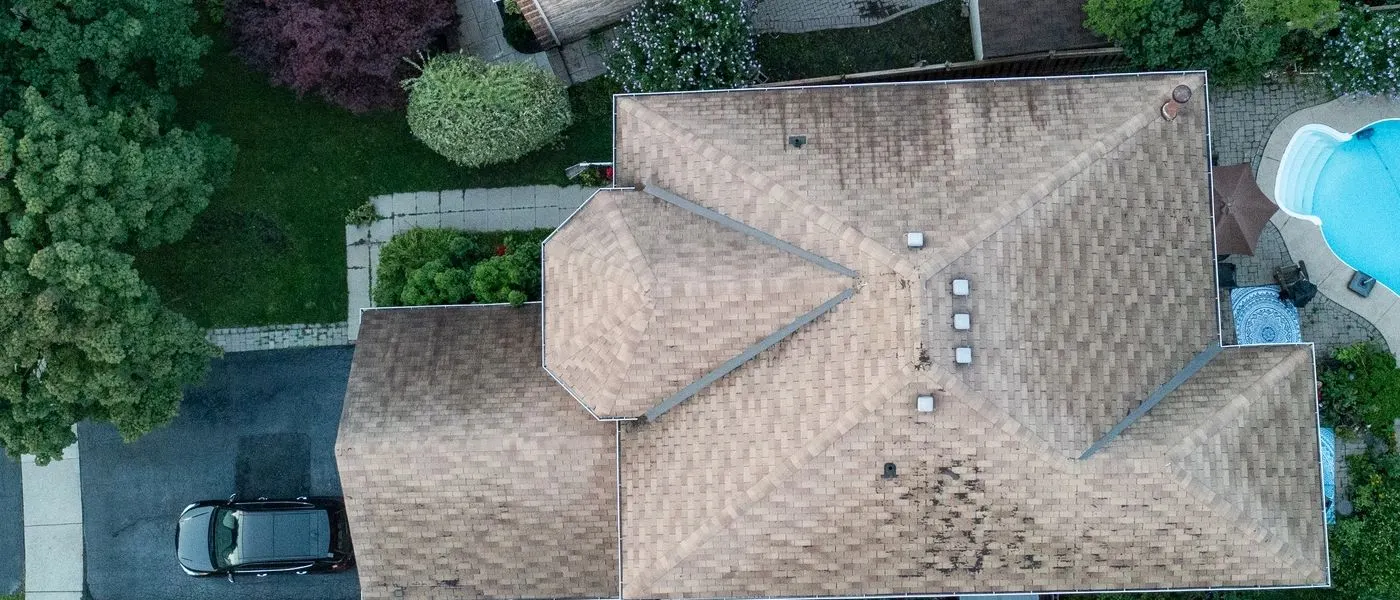
Insurers increasingly use aerial images to check roof condition before writing or renewing a policy. Homeowners have received non-renewal notices based on photos they never knew were taken.
4. Refusing to renew
In some markets, insurers decline to renew policies on homes with roofs older than 15 to 20 years, or require replacement as a condition of coverage.
Florida has special roof rules
Florida law limits when insurers can refuse coverage based only on roof age. Insurers generally can't refuse to write or renew a policy solely because a roof is under 15 years old. For older roofs, homeowners can get an inspection, and if it shows at least five years of useful life left, the insurer generally can't refuse based on age alone. Check with your agent for details.
Higher wind and hail deductibles
Many policies in storm-prone states now carry a separate wind/hail deductible, often 1% to 2% of your home's insured value. On a $350,000 home, a 2% deductible is $7,000 before insurance pays anything.
How to protect yourself
- Read your policy's roof section. Look for "actual cash value," "roof schedule," or "cosmetic damage" language.
- Know your roof's age. Find your permit date or ask a roofer.
- Keep records. Save receipts and photos of maintenance and repairs.
- Get an inspection before renewal if your roof is 15+ years old.
- Shop around. Policies vary widely in how they treat older roofs.
- Consider replacing on your schedule, not your insurer's.
A new roof can lower your premium
Replacing an aging roof often:
- Restores full replacement cost coverage.
- Avoids non-renewal and the hassle of finding new coverage.
- Can qualify you for discounts, especially with Class 4 impact-resistant shingles in hail-prone states, or wind-mitigation credits in hurricane states.
Ask your insurer which upgrades earn discounts before choosing materials.
What will a new roof cost?
Most asphalt shingle roofs cost $8,000 to $15,000 depending on your state. Check your estimate with our roof cost calculator, see local prices in our state roofing guides, or explore ways to pay for a new roof.
Frequently asked questions
Can my insurance company make me replace my roof?
They generally can't force you, but they can decline to renew your policy or reduce coverage if you don't.
At what age do insurers consider a roof "old"?
It varies, but many start reducing coverage around 10 to 15 years and get stricter after 20.
Does a metal roof help with insurance?
It can. Metal and impact-rated roofs often earn discounts, though some policies exclude cosmetic dents on metal.
Worried about your roof and your insurance? Get a free roof inspection and quote from a licensed local roofer.
Sources: State Farm (April 2026); Insurance Information Institute; Money.com. Insurance rules vary by state and insurer; confirm details with your agent.