
Roof Replacement Cost: What to Expect in 2026
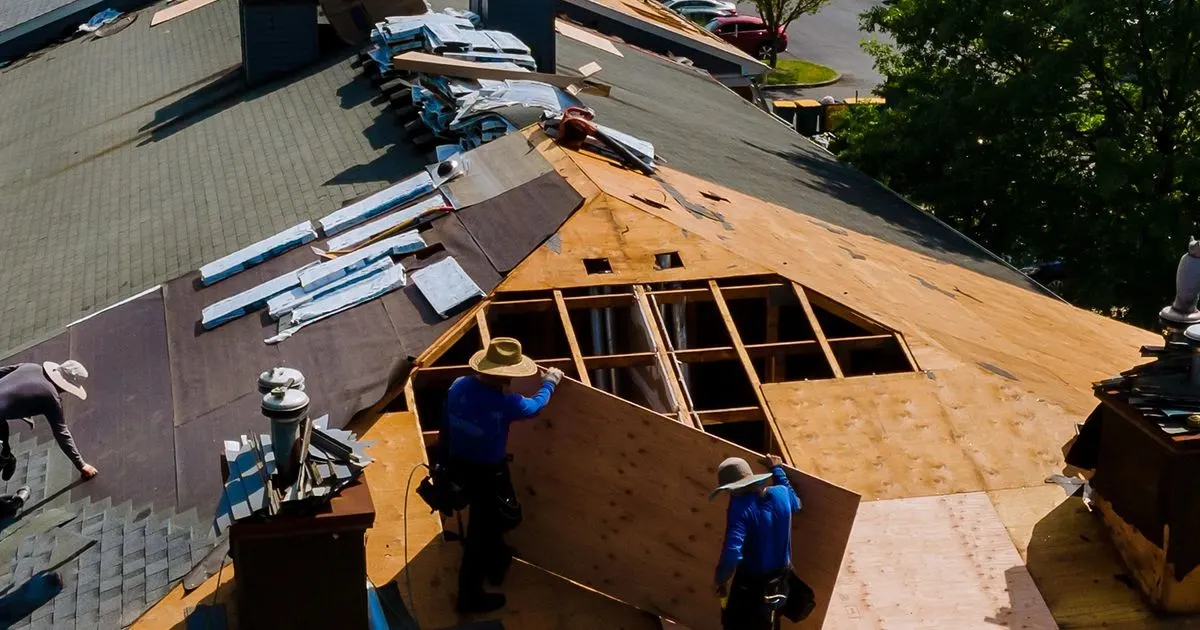
A roof replacement is one of the largest home improvement investments you'll make — typically $10,000 to $30,000 depending on your home size, location, and material choice. Yet most homeowners go into the process with almost no idea what's fair to pay.
Here's what actually drives the cost, and how to make sure you're not overpaying.
What Drives Roof Replacement Cost
1. Roof Size
Roofing is priced per "square" — one roofing square equals 100 square feet of roof surface. A 2,000 sq ft home typically has 20–25 squares of actual roof area (more if you have steep pitches or complex geometry).
2. Roof Pitch and Complexity
A steep or complex roof costs more to replace than a simple low-slope design. Steep pitches require additional safety equipment and slow the crew down. Multiple valleys, dormers, skylights, and chimneys all add labor time and material waste.
3. Material Choice
This is the biggest variable. Architectural asphalt shingles cost roughly $4–$7 per square foot installed; metal roofing runs $10–$20; clay or concrete tile can reach $15–$30.
4. Tear-Off vs. Overlay
Most states allow one layer of shingles to be installed over an existing layer (overlay). This saves $1–$2 per square foot in tear-off labor. However, most roofing professionals recommend full tear-off — it allows inspection of the decking, adds less weight, and typically produces a better result.
5. Decking Repairs
Once the old shingles are removed, damaged or rotted decking must be replaced. This is often unknown until tear-off begins. Budget $2–$5 per square foot for potential decking repairs.
6. Location
Labor costs vary significantly by region. Roofing in San Francisco or New York costs 30–50% more than the same job in rural Texas or the Midwest.
Average Costs by Material (2026)
| Material | Lifespan | Cost per Sq Ft (installed) | 2,000 Sq Ft Home |
|---|---|---|---|
| 3-tab asphalt | 15–20 yrs | $3.50–$5.50 | $8,000–$14,000 |
| Architectural asphalt | 25–30 yrs | $4.50–$7.00 | $10,000–$18,000 |
| Metal (standing seam) | 40–70 yrs | $12–$20 | $28,000–$48,000 |
| Metal (steel shingles) | 30–50 yrs | $8–$14 | $18,000–$32,000 |
| Concrete tile | 40–50 yrs | $10–$18 | $22,000–$40,000 |
| Clay tile | 50+ yrs | $15–$30 | $32,000–$65,000 |
| Slate | 75–150 yrs | $20–$40 | $42,000–$85,000 |
| Synthetic composite | 30–50 yrs | $8–$15 | $18,000–$32,000 |
Costs include materials, labor, tear-off, and basic flashing. Decking repairs, permits, and disposal fees are additional.
The Cheapest Option Isn't Always the Best Value
3-tab asphalt shingles cost less upfront but last only 15–20 years. Architectural shingles cost 20–30% more but last 25–30 years and look significantly better. Over a 30-year period, you'd replace 3-tab shingles twice versus once for architectural — making the "cheaper" option more expensive long-term.
Metal roofing has the highest upfront cost but the lowest lifetime cost for most homeowners. A standing seam metal roof installed today may outlast the house itself.
How to Compare Roofing Quotes
Getting three quotes is the minimum. When comparing, make sure each quote specifies:
- Exact material (manufacturer, product line, warranty)
- Tear-off included (yes or no)
- Decking inspection and repair policy (what's included, what's extra)
- Underlayment type (synthetic vs. felt — synthetic is better)
- Ice and water shield (required in cold climates, recommended everywhere)
- Flashing (new vs. reused — new is always better)
- Permit pulled (a contractor who skips permits is a red flag)
- Warranty (manufacturer's material warranty + contractor's workmanship warranty)
Quotes that are dramatically lower than others usually mean something is being skipped — often tear-off, quality underlayment, or proper flashing.
Red Flags to Watch For
Storm chasers: After a major hail or wind event, out-of-town contractors flood affected areas. They often do poor work and disappear before warranty claims arise. Always use local, established contractors.
Upfront payment demands: A reputable contractor typically asks for 10–30% upfront for materials, with the balance due on completion. Anyone asking for 50%+ upfront is a red flag.
No permit: Roofing permits exist for a reason. A contractor who suggests skipping the permit to "save money" is exposing you to liability and may void your homeowner's insurance.
Pressure tactics: "This price is only good today" is a classic high-pressure sales tactic. A legitimate contractor will give you time to compare quotes.
No written contract: Never proceed without a detailed written contract specifying materials, scope, timeline, and payment terms.
Does a New Roof Increase Home Value?
Yes — but not dollar-for-dollar. According to Remodeling Magazine's Cost vs. Value report, a new asphalt shingle roof recoups about 60–70% of its cost at resale. A new metal roof recoups slightly less in most markets.
The bigger value driver is avoiding a failed inspection. A roof in poor condition can kill a home sale or force a significant price reduction. A new roof removes that obstacle entirely.
When to Repair vs. Replace
If your roof is less than 15 years old and damage is isolated to a small area, repair is usually the right call. If it's over 20 years old, has widespread granule loss, multiple leak points, or significant storm damage, replacement is almost always more cost-effective than continued repairs.
A good rule of thumb: if repair costs exceed 30% of replacement cost, replace.
Getting the Right Quote
The best way to protect yourself is to work with licensed, insured, locally established contractors who pull permits and provide written warranties. Get at least three quotes, verify licenses and insurance, and check references.